Hellword brings a dark, vocabulary-first puzzle experience
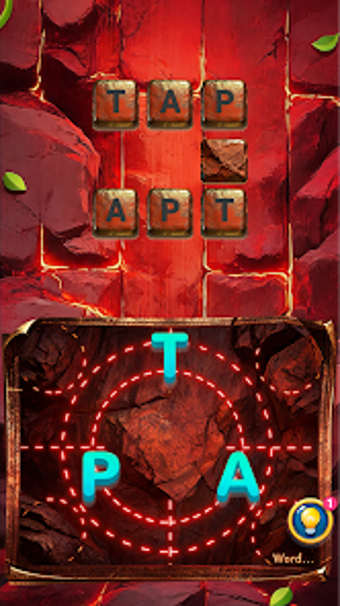
Hellword: Flame Verse, by Thunder Rangers, places players before a black stone altar to tackle atmospheric word puzzles. Players form words from crimson letters to fill a fiery tableau, using in-game tools to rearrange and complete each stage's linguistic challenge. The package pairs a black-and-red visual theme with progressive 'heat' difficulty and layered soundscapes that heighten pressure. It targets word-puzzle players who prefer a mature, mood-driven challenge rather than bright casual fare.
What kind of puzzle loop does Hellword offer?
The game frames each stage as a single, self-contained scene where the player's objective is to satisfy every blank on a burning board. Action is driven by constructing and reconfiguring vocabulary, so choices carry consequence: a solved word fills space and shifts available letters, and missteps can force a rethink of letter placement. This setup makes each board feel like a compact linguistic problem to be unraveled rather than a simple word search.
How the mechanics shape player decisions in sessions
The interaction model emphasizes letter manipulation and staged puzzles. Controls let players swipe to link letters and also break apart letter sets to recombine them for new solutions, which supports tactical thinking across a stage. Progression arrives one scene at a time, with later stages demanding longer constructions. The combination of linking and recombining converts individual word finds into multi-step problem solving that rewards planning ahead.
What does the game look and sound like?
The presentation leans into a dark fantasy atmosphere: a stone altar, flickering embers, and crimson glyphs create a focused visual mood. Audio contributes with deep, atmospheric soundscapes that underscore tension during puzzles. The visual contrast between the letters and the backdrop prioritizes readability while reinforcing tone, so the mood is part of the mechanical feedback rather than a separate embellishment.
Is the difficulty and replayability appropriate for casual players?
Difficulty ramps through a 'heat' mechanic that introduces longer, knotty words as stages progress, so onboarding is gentle at first and tougher later. Stage-based progression encourages short play sessions while still offering escalating challenge, which supports return play for players chasing higher-stage puzzles. Those who prefer quick, brightly colored matches may find the tone and rising word complexity less accessible than mainstream casual titles.
Hellword is a mood-forward choice for focused word puzzlers
Hellword suits players who enjoy concentrated vocabulary challenges presented with a deliberately sombre tone; the experience rewards patience and careful letter management. Its mature aesthetic and escalating word difficulty mean it is less appropriate for those seeking light, colorful casual matches. For anyone drawn to atmospheric, single-session puzzles that ask for strategy rather than reflexes, Hellword offers a distinct alternative.